 |
 |
|
||
 |
 |
|||
|
|
|
|
||
|
|
|||
|
|
|
|
||
|
 |
|
||
|
||||
|
||||
|
||||
|
Hiller Knows DiamondsSelecting the Perfect DiamondChoosing the perfect diamond is easier when you're familiar with the 4Cs: Carat, Color, Clarity, and Cut. Diamonds are classified by the GIA International Diamond Grading System™, developed in the 1950s by the Gemological Institute of America. Below is a brief description of each of the 4Cs, courtesy of www.gia.edu.

CaratDiamonds are weighed in metric carats: one carat = 0.2 grams, about the same weight as a paperclip. Just as a dollar is divided into 100 pennies, a carat is divided into 100 points. For example, a 50-point diamond weighs 0.50 carats. But two diamonds of equal weight can have very different values depending on the other members of the Four C’s. The majority of diamonds used in fine jewelry weigh one carat or less.

ColorDiamonds are valued by how closely they approach colorlessness – the less color, the higher their value. Most diamonds found in jewelry stores run from colorless to near-colorless, with slight hints of yellow or brown. GIA’s color-grading scale begins with the letter D, representing colorless, and continues with increasing presence of color to the letter Z, or near-colorless. Each letter grade has a clearly defined range of color appearance. Many of these color distinctions are so subtle as to be invisible to the untrained eye. But these slight differences make a big difference in quality and price.
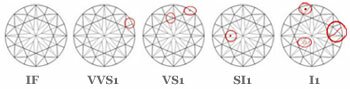
ClarityBecause diamonds formed under extreme heat and pressure, they often contain either inclusions (internal) or blemishes (external). Clarity refers to the absence of these marks. Diamonds are assigned a clarity grade that ranges from flawless (FL) to obvious inclusions (I3). The GIA Clarity Scale contains 11 grades, with most diamonds falling into the VS (very slightly included) or SI (slightly included) categories. In determining a clarity grade, the GIA system considers the size, nature, position, color or relief, and quantity of clarity characteristics visible under 10× magnification.
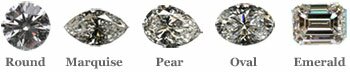
CutCut is the factor that fuels a diamond’s fire, sparkle and brilliance. The allure of a particular diamond depends more on cut than anything else. The cut of any diamond has three attributes: brilliance (the total light reflected), fire (the dispersion of light into the colors of the spectrum), and scintillation (the flashes of light, or sparkle, when moved). An understanding of cut begins with the shape. Traditional shapes include round brilliant, marquise, pear, oval and emerald cuts. Hearts, cushions, triangles and a variety of others are also gaining popularity in diamond jewelry. GIA's diamond cut grading system for standard round brilliants assigns a cut grade ranging from Excellent to Poor. |
|
||
|
|
|
|
|
|
||||

|
|||||||
|
 |
|
|||||
|
|||||||



|
Contact | Summer Hours: Tues–Fri 10 am-5 pm, Sat 10 am-4 pm | (504) 837-8200 |
| Store Policy
|